
Chapter 2 The Origin of Life
1. Energy in the origin of life
The “metabolic pathway” (Note 27) is a network through which carbon in organic matter flows.
(Note 27) It is a chain of chemical reactions that proceed in cells. In each pathway, the underlying chemical is altered by a series of chemical reactions, and enzymes catalyze these reactions. To perform their proper function, enzymes often need minerals, vitamins, or other cofactors.
In the “metabolic pathway”, there is a series of enzymes that act as catalysts for successive reactions. Each enzyme acts on the substance produced by the previous one. This imposes constraints on the carbon flow of organic matter. When a molecule enters a pathway, it is continuously chemically modified and leaves the pathway as a new molecule. These reactions are carried out repeatedly and reliably, with identical precursors entering the reaction and producing identical products. Through these various metabolic pathways, cells form networks in which the flow of substances is always constrained but maximized. These precise controls allow cells to grow with much less carbon and energy than an unlimited flow. Without wasting energy at each step, the enzyme forces the biochemical mechanism in the correct direction of travel. In cells, from an energy point of view, the role of enzymes is not to accelerate the reaction, but rather to maximize the output by introducing its forces.
So, what was the state of life when enzymes did not yet exist at the stage of its origin? The constraints of the flow at that time should have been necessarily small. It must have required more energy and carbon than modern cells to produce, multiply, and eventually replicate more organic molecules. While modern cells minimize the energy required as much as possible,
It still consumes a large amount of ATP, which is the standard energy currency. Even the simplest cells grown by the reaction of hydrogen and carbon dioxide produce about 40 times the amount of biomass (biological mass) newly produced by respiration. In other words, for every 1 gram of new biomass produced, at least 40 grams of waste should be produced in the reaction of releasing the energy that supports this production.
Life is a side reaction of the main reaction that releases energy (Note 28). Even in today’s world, which has been refined through 4 billion years of evolution, it remains the same. If modern cells produce 40 times more waste than organic matter, how much waste would the first primitive cells without enzymes have produced? Enzymes accelerate chemical reactions millions of times. If such enzymes are eliminated, the same cannot be done unless the processing capacity is increased by the same magnification, in units of 1 million times.
(Note 28) The energy released by the decomposition of organic matter by respiration cannot be directly used for life activities. The energy released by respiration is temporarily stored in a substance called “ATP”. ATP, which is commonly used by all living things, is also called “energy currency” because its energy is used for various life activities such as movement, synthesis of biological substances, and luminescence. ATP is an abbreviation for “adenosine triphosphate”, which is a substance called adenosine and three phosphoric acids bonded, and the bond between phosphoric acids is called “high-energy phosphate bonds”. ATP is synthesized by combining “ADP (adenosine diphosphate)” and “phosphoric acid” with the energy released from organic matter by respiration. When ATP is decomposed into ADP and phosphoric acid, a relatively large amount of energy is released, and life activities are carried out using this energy.
Thus, the first cells may have produced 40 tons (1 million times more than 40 grams) of waste – i.e., the size of a very large truck – to produce 1 gram of cell. From the perspective of energy flow, this is more like a tsunami than a flooded river.
- This scale of pure energy demand should affect all aspects of the origin of life, but until now it has rarely been clearly considered.
In the field of experimental science, the realm of the origin of life dates back to the famous “Miller–Urey experiment” in 1953, the results of which were published in the same year as Watson and Crick’s paper “Double Helix”. Both papers have continued to dominate the field ever since.
Miller–Urey experiment had the effect of reinforcing the concept of “primordial soup” and narrowing the horizons of the area. On the other hand, Crick and Watson heralded an era dominated by DNA and information. However, as a result, the perception of the importance of other factors, especially energy, has been inhibited.
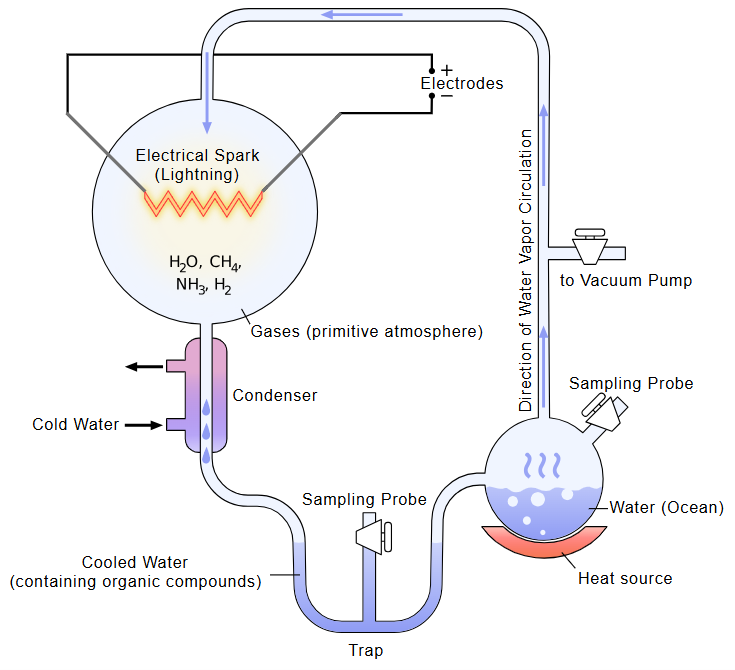
In 1953, Stanley Miller was a young and enthusiastic doctoral student in the laboratory of Nobel Prize-winning Harold Uly. In his own impressive experiment, Miller performed a simulated lightning discharge in a flask containing a mixture of reducing (electron-rich) gases that mimicked Jupiter’s atmosphere. At the time, Jupiter’s atmosphere was thought to reflect the early Earth’s atmosphere. Both were estimated to be rich in hydrogen, methane, and ammonia. Surprisingly, Miller succeeded in synthesizing many amino acids. Amino acids are the building blocks of proteins and the basic elements of life. As a result, the origin of life suddenly became easily understandable. In the early 1950s, this experiment received much more attention than the structure discovered by Watson and Crick. Although the structure of DNA was revealed for the first time, it was not a big topic at first. Miller, on the other hand, graced the cover of “Time” magazine in 1953. His achievements were groundbreaking in the sense that they were the first to test a clear hypothesis about the origin of life.
The hypothesis is that lightning passed through the atmosphere of reducing gases and formed the components of cells. The story is that in the absence of life, these precursors accumulated in the ocean, and eventually the ocean became a thick soup of organic molecules, or “primordial soup.”
Although the uproar that Watson and Crick caused in 1953 was less, the appeal of DNA has captivated biologists ever since.
For many people, life is simply the information itself copied into DNA. Therefore, the origin of life is the origin of information that makes evolution impossible by natural selection. In other words, the origin of information is also the origin of reproduction. It can be reduced to the process by which the molecule that first makes a copy of itself, the “replicator” (Note 29), occurred. DNA itself is so complex that it is unlikely that it was the first replicator. However, RNA, a simpler and more reactive precursor, meets the requirements.
(Note 29) “Self-replication” is the process by which something makes a copy of itself. When the right conditions are met, the cell replicates through cell division. In cell division, DNA is replicated and transferred to the offspring during reproduction. Viruses also replicate, but they can only be replicated by infecting cells and giving instructions to the cell’s reproductive system.
RNA (ribonucleic acid) is still an important medium that connects DNA and proteins, and plays both a template and a catalyst in protein synthesis. RNA can be both a template like DNA and a catalyst like a protein, so it could theoretically be a simpler prototype for both proteins and DNA in the primordial “RNA world”. But where did the building blocks of “nucleotides” come from, and how did they combine in chains to become RNA? Of course, the answer is “primitive soup”. While there is no inevitable relationship between RNA formation and soup, soup is still the simplest hypothesis and does not need to be bothered by intricate details such as thermodynamics and geochemistry. Putting all of this aside, genetic researchers can move forward with important stories. Consequently,
If there was a core idea that underpinned the study of the origin of life over the past 60 years, it was
- The primitive soup gave rise to the RNA world, where this simple replicator gradually evolved and became more complex, encoding metabolism and eventually giving rise to the world of DNA, proteins, and cells as we know it today
From this perspective, life can be seen as bottom-up information.
- What is overlooked here is the element of “energy”.
Of course, energy is also involved in primordial soup. This is because lightning flashes. However, a single lightning bolt does not contain so many electrons. A better alternative source of energy is ultraviolet radiation, which allows reaction precursors such as cyanide (and derivatives such as cyanamide) to be created from atmospheric gas mixtures such as methane and nitrogen. Ultraviolet rays are constantly falling on Earth and other planets. The ultraviolet rays flowing in must have been stronger than they are now, because there was no ozone layer, and the electromagnetic spectrum was even more intense when the sun was young. The brilliant organic chemist John Sutherland even succeeded in synthesizing activated nucleotides under so-called “reasonable primordial conditions” using ultraviolet radiation and cyanide.
However, there is no life on Earth that uses cyanide as a carbon source or ultraviolet rays as an energy source. On the contrary, cyanide and ultraviolet light are recognized as dangerous killers. Ultraviolet rays are extremely harmful to modern higher organisms. This is because it breaks down organic molecules more effectively than they promote the formation. It is much more likely to burn life than to fill the ocean with life. It is unlikely that it will be a direct source of energy, whether on Earth or elsewhere.
Heraclitus taught that “you cannot step into the same river twice.”, that is, even if the appearance is the same, the river changes every time, but in the same way, life is constantly renewing its contents while maintaining its shape. While the cells of living organisms retain their shape, their components are constantly replaced by metabolic turnover (the amount of the whole remains unchanged, but is renewed by metabolism). Other forms may not have existed.
- Before the emergence of replicators, surely the case at the origin of life, “structures” existed even in the absence of any information that prescribed them.
- However, for this to happen, a continuous “flow of energy” was necessary. This is because the “flow of energy” promotes “self-organization” in matter.
- Specifically, it is a phenomenon that the Russian-born Belgian great physicist Ilya Prigozhin called “dissipative structure” (Note 30), which is familiar to us.
(Note 30) “Dissipative structure” refers to an “open system structure” that is in a state of thermodynamically unequilibrium. In other words, it is a stationary structure in which a self-organizing basis is born in the flow of energy dissipation. It is a concept proposed by Ilya Prigozhin and won the Nobel Prize, and is also described as a “steady-state open system” or a “non-equilibrium open system”.
To explain it in more detail, let’s briefly consider the concept of “dissipation” here. There are many forms of “energy”, but if we take “kinetic energy” as a typical one, for example, a ball rolling on the floor has kinetic energy. However, as it rolls, it gradually slows down and eventually stops. This is because the kinetic energy of the ball is converted into frictional heat due to friction with the floor. In other words, kinetic energy was converted into thermal energy. However, the opposite phenomenon does not occur. A stationary ball does not collect heat from the floor and suddenly start rolling. In this way, the transformation of energy has a direction. Not only kinetic energy, but also various energies are converted into thermal energy, but the opposite does not happen. This phenomenon that has a one-way nature and does not occur in the opposite direction is called an “irreversible process”. And the irreversible process of changing various energies into thermal energy is described as “dissipation”. Unlike structures that maintain their own stable structures like rocks, dissipative structures refer to those whose structure continues to be maintained only when there is a certain input, such as the whirlpools of the inland sea caused by the influx of kinetic energy called “tides”.
You can also imagine convection in a boiling kettle or water swirling into a sink hole. No information is needed. In the case of a kettle, only heat is needed, and in the case of a sink hole, only angular momentum is required.
Dissipative structures are formed by the flow of energy and matter.
Hurricanes, typhoons, and whirlpools are typical examples of dissipative structures observed in nature. On an even larger scale, the difference in the flow of energy from the sun at the equator and poles in the ocean and atmosphere creates a large-scale dissipative structure. Steady currents like the Gulf Stream and winds like the “barking 40s” and the North Atlantic “jet stream” are not constrained by information and continue steadily, as are the energy flows that sustain them. Jupiter’s “Great Red Spot” is a huge storm, an area of high pressure the size of several Earths, and has been maintained for at least hundreds of years. The convection cell in the kettle is also maintained as long as the current flowing through the heating wire continues to boil water and generate steam. All these dissipative structures require a continuous flow of energy.
Further generalized, these can be said to be the result of the visualization of persistent non-equilibrium states. Under that situation, the flow of energy will continue to maintain the structure until it finally reaches equilibrium (after billions of years in the case of stars) and the structure collapses. What you mean,
- A continuous and constant physical structure can be created by the flow of energy.
All living things are maintained under non-equilibrium conditions. We ourselves are part of the dissipative structure. The constant reaction through respiration provides free energy for cells to fix carbon, grow, and form reaction intermediates, combining their components to synthesize carbohydrates and long-chain polymers such as RNA, DNA, and proteins, and maintain a low entropy state through increased ambient entropy.
- Even in the absence of information such as genes, cellular structures like cell membranes and polypeptides can form naturally, as long as reaction precursors—activated amino acids, nucleotides, and fatty acids—are continuously supplied, and there is a sustained flow of energy that provides the necessary components.
- Cellular structure inevitably arises due to the flow of energy and matter. Even if the parts are replaced, the structure remains stable and maintained as long as the flow continues.
- This “continuous flow of energy and matter” is what is missing in primordial soup. Primitive soup does not have the promoters that form the dissipative structure we call “cells”. Even without enzymes that induce and promote metabolism, the elements that allow these cells to grow and divide and maintain cell activity are lacking.
However, did the “environment for the formation of the first primitive cells” really exist in the first place? Many questions may arise, but the fact that such an environment existed, specifically the “alkaline hydrothermal vent” described later, is explained below. However, before exploring the environment, it is important to consider what is specifically needed to promote the formation of dissipative structures called “cells”.
How to make cells
What does it take to make a cell?
In fact, living cells on Earth have “six basic characteristics” in common. They are listed as follows.
- Continuous supply of highly reactive carbon for the synthesis of new organic matter
- The supply of free energy to activate the biochemical mechanisms of metabolism – the formation of new proteins, DNA, etc.
- Existence of catalysts that accelerate and induce these metabolic reactions.
- In accordance with the second law of thermodynamics (Note 31), waste is discharged in order to proceed in the right direction of chemical reactions.
(Note 31) It is also called “Thomson’s Principle (Kelvin’s Law)” and is the principle that “it is impossible to receive heat from one heat source and convert all of it into work”. In other words, “all heat cannot be taken out as exercise”. For example, in the case of a car engine, the engine converts the “heat” generated by burning gasoline into “piston motion”, but it cannot be converted into piston motion 100%. Some of it is always discharged as “waste heat”. That is, in order to extract work from high-temperature thermal energy, heat must be discarded in a low-temperature heat source. In other words, “there is no heat engine that turns all heat into work” is “Thomson’s principle (Kelvin’s law)”.
- Compartmentalization – a cellular structure separating the inside and outside
- Genetic material – RNA or DNA, or equivalent that defines a specific shape or function
At first glance, it seems that all six factors are strongly dependent on each other, and it is almost certain that they should be so from the very beginning. A continuous supply of carbon in organic matter is clearly essential for everything from growth to replication. At a simple level, even the RNA world requires replication of RNA molecules. RNA is a chain of components called “nucleotides”, and individual nucleotides are organic molecules that must have come from somewhere. It is an ancient and inconclusive debate among researchers of the origin of life as to which metabolism or replication appeared first, but in any case, reproduction is a process of multiplication, so it consumes the components in a geometric series. If these components are not replenished at a similar rate, then reproduction will immediately stop.
Consequently,
- It is reasonable to assume that some early global environment could have provided the activated nucleotides, the organic building blocks necessary for the birth of replication.
- The trend of producing very similar sets of organic matter under different conditions, from electrical discharges in the reducing atmosphere to space chemistry on asteroids and high-pressure explosive reactors, suggests that certain molecules – which must also include some nucleotides – are thermodynamically preferred.
Consequently,
- In order for replicators of organic matter to form, it is necessary to continuously supply organic matter carbon in the same environment.
What about energy? This is also necessary in the same environment. In order to combine individual components such as amino acids and nucleotides to form long-chain polymers (proteins and RNAs), the components must first be activated. The next thing you need is an energy source, which is ATP or something similar. It is probably very similar.
- As was the case on Earth 4 billion years ago, in a world entirely covered with water, the sources of energy are of a peculiar type, and it is necessary to promote the polymerization of long-chain molecules. For this purpose, a “dehydration reaction”, that is, the removal of one water molecule each time a new bond is formed, is required.
The challenge of dehydrating molecules in solution is a bit like trying to squeeze water out of a wet cloth in water (Note 32). However, life on Earth is also active underwater without any problems. All living cells have achieved thousands of dehydration reactions per second. We achieve this reaction by combining it with the degradation of ATP. In a single decomposition one water molecule is removed.
(Note 32) The chemical reaction of ATP synthesis and degradation is catalyzed by proteins, and it is known that ATP synthesis and degradation do not occur easily in water. Therefore, it is expected that the three-dimensional structure of ATP will be very different when it interacts with proteins and in water.
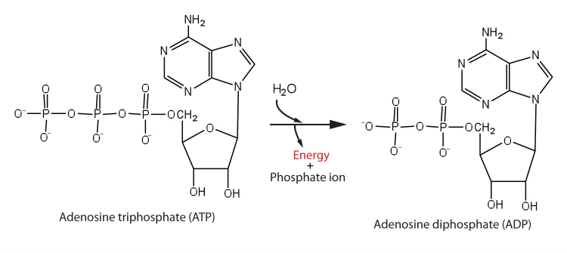
The combination of “dehydration reaction” and “hydrolysis reaction” is basically just the movement of water, but at the same time, some of the energy trapped in the ATP bonds is released (Note 33). If you think about it this way, the problem is greatly simplified.
(Note 33) When ATP binds to proteins, the hydrolysis reaction “ATP+H20→ADP+Pi” shown in the Fig.40 occurs, and the energy released at that time is as much as 30.5 kJ/mol (=7.3 kcal/mol) as an energy source for various proteins to perform their functions.
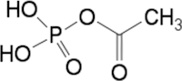
- Importantly, ATP or equivalent but simpler “acetyl phosphate” is constantly supplied. In short, replication in water requires a continuous and generous supply of organic carbon and ATP-equivalent in the same environment.
Now we have considered three of the six factors: “replication”, “carbon”, and “energy”.
Next, let’s think about “compartmentalization into cell formation”. This is also a problem of concentration.
Biological membranes are made up of “lipids” (see Figure 26), and lipids themselves are also composed of “fatty acids” and other components.
At concentrations above a certain threshold, fatty acids naturally form cellular sachets (see Figure 42). And if new fatty acids are continuously supplied, they can grow and divide. Again, in order to proceed with the synthesis of new fatty acids, both carbon and energy from organic matter need to be continuously supplied.
- In order for fatty acids and nucleotides to accumulate more than the rate at which they are dissipated, some kind of aggregation is necessary.
- Physical collection or natural compartmentalization can be used to increase the concentration locally and form structures on a larger scale.
If these conditions are met, the formation of sachets is no longer magic. This is because this is the most physically stable state. As we saw in the section “Energy, Entropy, and Structure” of the previous chapter “Life”, the overall entropy increases as a result.
When the reactive component is continuously supplied, the “surface area vs. volume” constraint causes the simple sachet to grow and split naturally.
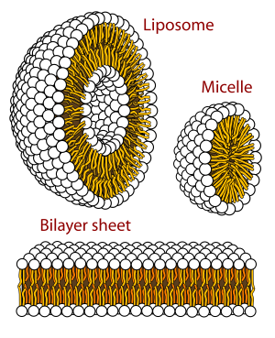
Let’s say that a spherical sachet – a simple “cell” – contains various organic molecules. Sachets grow by taking in new materials — lipids in the membrane and other organic matter in the cell. Let’s consider doubling the size, that is, doubling the surface area of the membrane and the organic matter in the cell. When the surface area is doubled, the volume is larger than the double. This is because the surface area is proportional to the square of the radius, while the volume increases in proportion to the square of the radius. However, since the increase of organic matter in the cell is doubled, if the amount of organic matter does not increase faster than the surface area of the membrane, the sachet will shrink into a dumbbell shape, and it will be in the process of forming two new sachets. What you mean,
- Arithmetic growth not only grows bigger, but also leads to instability that leads to division and doubling. It is only a matter of time before the growing sphere splits into small bubbles.
- Therefore, the continuous flow of highly reactive carbon precursors inevitably leads to not only the formation of primitive cells but also rudimentary forms of cell division.
The “surface area to volume” ratio problem constrains the size of the cell, causing problems with the supply of reactants and the removal of waste.
In the case of cells, the rate at which new proteins are formed depends on the rate at which the reactive precursors (activated amino acids) are carried and the rate at which waste products (methane, water, CO2, ethanol – whatever the reaction that releases energy) are removed. If these waste products are not physically removed from the cells, the reaction will not continue.
- The problem of “waste removal” is another fundamental obstacle that inhibits the concept of a primordial soup in which reactants and waste products are soaked together. There is no driving force to proceed with a new chemical reaction.
Moreover, the larger the cells, the closer their state is to the broth. Because the volume of a cell increases faster than its surface area, the larger the cell, the relative lower the rate at which it carries new carbon across the membrane and removes waste products. Even cells the size of an Atlantic Ocean, or even the size of a soccer ball, do not function properly, it is just soup.
- At the origin of life, the volume of cells is required to be small, considering the speed of carbon supply and waste removal. Some kind of physical guidance will also be needed — a continuous flow of nature that carries precursors in and carries waste products.
Next, let’s think about “catalysts”. Modern life uses proteins – enzymes – ,but RNA also has a certain catalytic ability. The problem is the fact that RNA is already a complex polymer. RNA is made up of many nucleotide building blocks, which must be synthesized, activated, and linked together to form long chains. Therefore, these processes are necessary before RNA can act as a catalyst. Whatever process produced RNA, it may have also facilitated the production of organic molecules that are easier to synthesize, especially amino acids and fatty acids. Therefore, it is assumed that the early “RNA world” was a mixture of a wide variety of small organic molecules.
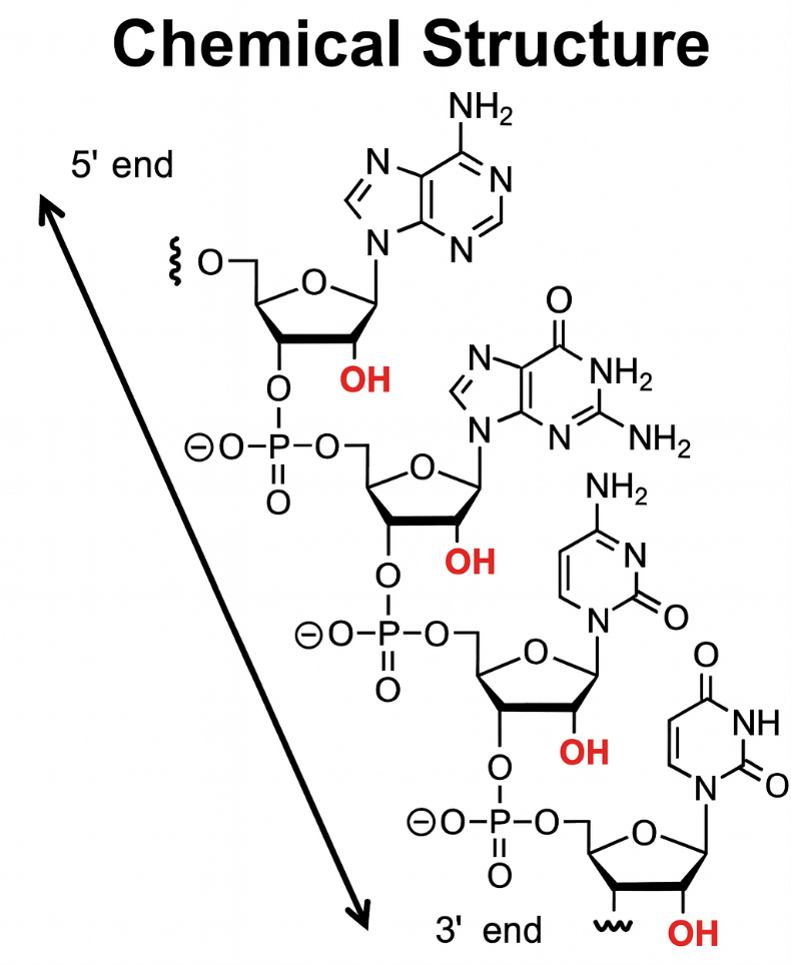
- Even if RNA played an important role in the origin of replication and protein synthesis, it is unlikely that RNA alone generated metabolism.
So, what was the catalyst for the origin of biochemical mechanisms?
- One possible candidate is “inorganic complexes”, such as “metal sulfides” – particularly those of iron, nickel, and molybdenum. They still exist as “cofactors” (non-protein chemicals required for the catalytic activity of enzymes) in some old, widely conserved proteins.
- Proteins are often regarded as catalysts, but in reality, they merely accelerate reactions that would occur anyway, and it is the cofactors that determine the fundamental nature of the reactions.
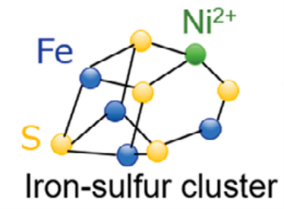
Without the protein environment, cofactors are not very effective catalysts and have low specificity. However, it is much more effective than nothing. Its effectiveness depends on the processing power. Early inorganic catalysts only began to supply oxygen and energy to organic matter, and the flow was only about a stream, not a tsunami.
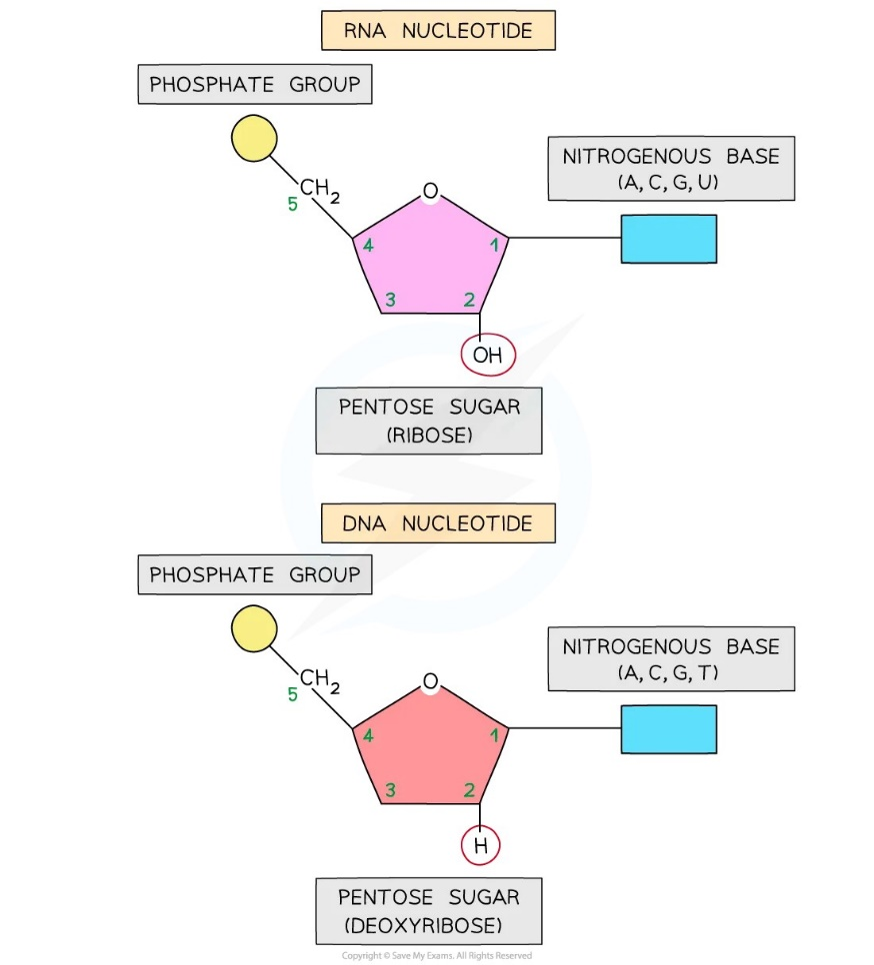
- Simple organic matter, especially amino acids and nucleotides (see Fig. 39), have some catalytic activity in themselves. In the presence of acetyl phosphate (see Fig. 41), amino acids can be linked together to form short polypeptides – i.e. small chains of amino acids. The stability of such polypeptides is partly affected by interactions with other molecules. Hydrophobic amino acids and polypeptides that bind to fatty acids are retained for relatively long periods of time and may enhance the catalytic properties of minerals when naturally combined with inorganic clusters such as FeS. For this reason, it may be “selected” by being physically retained (Note 34).
(Note 34) “Amino acids” are a general term for compounds with amino groups (-NH2) and carboxyl groups (-COOH) in the molecule. Depending on the position of the carbon atom to which the amino and carboxyl groups are attached, there are α-, β-, γ-, δ-, and ε-amino acids, but all amino acids that make up proteins are α-amino acids. In addition, “peptide” generally refers to peptide bonds of about 2~50 amino acids. The combination of two amino acids is called a “dipeptide”, and the three amino acids are called “tripeptides”. Those with about 2~20 amino acids are called “oligopeptides”, and when more amino acids are combined, they are called “polypeptides”.
Next, we will consider the catalysts of minerals that promote organic synthesis.
Some synthesized organic matter survives in binding to mineral catalysts, enhancing (or at least modifying) catalytic properties. Such a system may in principle produce more complex organic compounds in a richer form.
The question, then, is how to construct a cell from scratch.
Highly reactive carbon and available chemical energy need to be supplied continuously and in large quantities. During this process, a portion of the flow passes through the initial catalyst and is converted into new organic matter.
- This continuous flow must be restricted in some way, such as storing fatty acids, amino acids, nucleotides, and other organic matter in high concentrations without hindering the outflow of waste products.
- Such a concentration of flows can be achieved by natural induction or compartmentalization, which has a similar effect to the induction of water turbine flows. Since the force of arbitrary flow is increased without enzymes, the total amount of carbon and energy required can be reduced.
- When the synthesis of new organic matter exceeds the loss to the outside world and is concentrated, the organic matter self-assembles into cellular sachets and structures such as RNA and proteins (polypeptides).
However, this is only the beginning of the cell. It is necessary, but it is never enough. However, let’s put aside the details for the time being and focus only on this one point.
- Cellular evolution is impossible without the flow of large amounts of carbon and energy being physically induced to pass through inorganic catalysts. This is a necessary condition everywhere in the universe.
- In light of the necessity for carbon-based chemical reactions discussed in the previous section, thermodynamically, it is required that both carbon and energy flow continuously through natural catalysts.
Therefore, almost all environments that have been proposed as the origin of life – “warm puddles (Darwin)”, “primitive soup (Uri-Miller’s experiment)”, “pumice stone with micropores”, “seaside”, “panspermia (the theory of microorganisms that originate in other celestial bodies)” – are excluded from the object.
However,
“Hot water holes” are an exception. Rather, they actively adopt it. This is because the “hot water hole” is exactly the type of dissipative structure we are looking for, that is, an “electrochemical reactor” with a continuous flow and far from equilibrium.
Hydrothermal vents are distribution reactors.
A hydrothermal vent functions as a kind of flow-through reaction system. However, caution is also necessary when considering “hydrothermal vents” (Note 35).
(Note 35) A “hydrothermal vent” is a crack in the earth from which water heated by geothermal heat erupts. Hydrothermal vents in a broad sense include hot springs, fumaroles, and geysers, but in a narrow sense, they are not located on land, but refer to the “hydrothermal vents (deep-sea hydrothermal vents)” in the seabed environment, especially in the deep sea. Due to the English term and the structure of hydrothermal discharge outlets, they are also referred to as “vents” or “chimneys”. The majority of hydrothermal vents are found in volcanically active locations (divergent plate boundaries, ocean basins, hot spots). The hot water that blows out can reach hundreds of degrees Celsius, and it is also known that it is rich in heavy metals and hydrogen sulfide as dissolved components. Metals and other substances contained in the hydrothermal fluids erupting from the seafloor can precipitate and settle, forming structures known as chimneys. Depending on the dissolved composition of the hot water, it looks like black or white smoke is coming out of the chimney, so some hydrothermal vents are also called “black smokers” or “white smokers”.
The current hydrothermal vents are not isolated from the sun. The organisms that live here rely on a symbiotic relationship with bacteria that oxidize hydrogen sulfide gas from smokers. This is the main cause of non-equilibrium. Hydrogen sulfide (H2S) is a reducing gas that reacts with oxygen to release energy. Recalling the mechanism of respiration mentioned in the previous chapter, bacteria use H2S as an electron donor and oxygen as an electron acceptor to promote ATP synthesis through respiration. However, oxygen is a by-product of photosynthesis and did not exist on the early Earth before the birth of oxygen-generating photosynthesis. Therefore, the fact that life thrives around the hydrothermal vents of “black smokers” is, albeit indirectly, entirely thanks to the Sun. It is assumed that these hydrothermal vents were completely different 4 billion years ago.
So, without oxygen, what possibilities remain?
In fact, black smokers are formed by direct interaction between seawater and magma in places with active volcanic activity, such as the “center of expansion of the Central Ridge (Note 36)” (where plates rise and spread from the mantle).
(Note 36) At the bottom of the ocean, there are mountain ranges where high-temperature mantle material rises to shallow areas and magma is generated, and submarine volcanoes are active. This kind of place is called “sea ridge”. Among these ridges, a large-scale submarine mountain range in which oceanic plates are formed and the ocean floor expands is called the “Central Ridge”. The representative central ocean ridge, the “Mid-Atlantic Ridge”, is a large rift in the central part of the Atlantic Ocean that runs north and south, and the plate is pulled in an east-west direction and the plate expands.
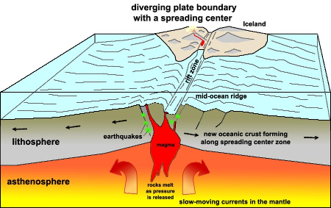
The water that seeps into the seabed reaches the magma pool in a place that is not very deep, where the temperature rises to hundreds of degrees at once, taking in the metals and sulfides dissolved in the magma and turning it into a strong acid. The overheated water is pushed upwards with explosive force and cools rapidly. Fine particles of iron sulfide, such as pyrite, are immediately precipitated, which produces black smoke, giving it the name “black smoker”.
Most of its structures are thought to have been the same 4 billion years ago. However, even if the FeS minerals produced there are excellent catalysts, organic synthesis does not occur because the most stable carbon compound at a temperature of 250~400°C in hydrothermal vents is CO2. In addition, black smokers are very unstable, growing and crumbling in decades at best, so they don’t have enough time to “create” life.
Black smokers are dissipative structures that are far from true equilibrium and can certainly solve some of the soup problems, but these volcanic systems are so extreme and unstable that they cannot cultivate the gentle carbon chemical reactions necessary for the origin of life.
- However, it should be recognized that hydrothermal vents such as black smokers played an important role in filling the early oceans with catalytic metals such as ferrous (Fe2+) and nickel (Ni2+) ions derived from magma.
Benefiting from these metals melted in the sea was another type of hydrothermal vent called an “alkaline hydrothermal vent”. This hot water hole can solve all the problems of black smokers.
- The “alkaline hydrothermal vent” is not like a volcano, and although it lacks the splendor and excitement of a black smoker, it has other characteristics that are much better equipped as an electrochemical “distribution reactor” (A type of reactor in which raw materials are continuously fed into an apparatus maintained at a specified temperature and pressure, the reaction is carried out, and the products are continuously withdrawn).
In fact, “alkaline hydrothermal vents” are not created by the interaction between water and magma, but by a much gentler process, that is, “chemical reaction between solid rocks and water”. Rocks derived from the mantle are rich in minerals such as “olivine” (A major constituent mineral of the upper mantle, a solid solution in which forsterite (Mg₂SiO₄) and fayalite (Fe₂SiO₄) are regularly mixed.), and react with water to form the hydrous mineral “serpentine”. Serpentine has a beautiful green spotted pattern that resembles the scales of a snake. Polished serpentine, like green marble, is commonly used as a decorative stone in public buildings such as the United Nations Building in New York.
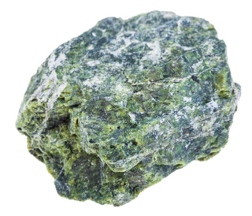
The chemical reaction that forms this rock bears the formidable name “serpentinization” (Note 37). In essence, however, it simply refers to the reaction in which olivine interacts with water to produce serpentine. What is crucial is that the “waste product” of this reaction held the key to the origin of life.
(Note 37) The chemical reaction formula for “serpentinization” is as follows:
3(Mg0.9Fe0.1)2SiO4+4.1H2O → 1.5Mg3Si2O5(OH)4+0.9Mg(OH)2+0.2Fe3O4+ 0.2H2(aq)
Olivine + Water → Serpentine + Brucite + Magnetite + Hydrated Hydrogen
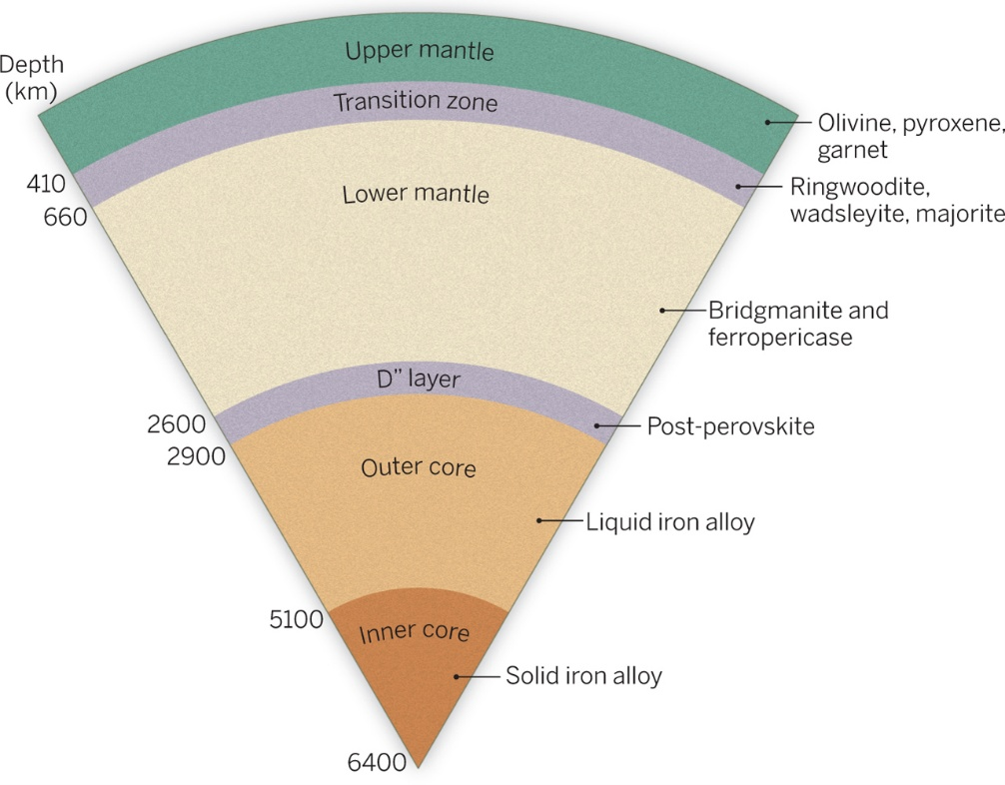
Serpentinization is triggered by the reaction of “olivine ((Mg₀.₉Fe₀.₁)₂SiO₄)” with water, resulting in the formation of serpentine (Mg₃Si₂O₅(OH)₄), brucite (Mg(OH)₂) [Note: also called “magnesium hydroxide,” naturally occurring as the mineral brucite], magnetite (Fe₃O₄), and hydrated hydrogen (H₂(aq)) [Note: a phenomenon in which hydrogen exists in a state bound to, or strongly interacting with, water molecules, the solvent]. Olivine required for serpentinization is contained in large amounts in olivinite, which is the main component of the upper mantle. When seawater and water-containing minerals are drawn into the mantle along with the plates at subduction plate boundaries, etc., olivine and water react deep underground, and serpentinization occurs. Magnetite (Fe3O4) is an important ore mineral of iron along with hematite, and contains ferrous (Fe2+) and ferrous (Fe3+) in a molar ratio of 1:2.
Olivine is rich in ferrous and magnesium. Ferrous iron is oxidized by water and becomes ferrous in its rusty form. This reaction is an exothermic reaction that releases heat, generating a large amount of hydrogen gas that has been dissolved in a warm alkaline fluid containing magnesium hydroxide. Since olivine is abundant in the Earth’s mantle, this reaction occurs mainly on the ocean floor near the expanding centers of tectonic plates. It is where newly formed mantle rocks are exposed to seawater.
However, mantle rocks are rarely exposed to direct water, and water enters from the seabed, sometimes reaching depths of several kilometers, and reacts with olivine. The resulting hydrogen-rich warm alkaline fluid rises toward the seafloor, lighter than the descending cold seawater. When it reaches the seabed, its fluid cools and reacts with the salts dissolved in the seawater, forming large hydrothermal vents.
Unlike black smoker, the ‘alkaline hydrothermal hole’ is independent of magma, so it is usually located several kilometers away, not directly above the magma pool at the center of expansion. The temperature is not overheated, but is in a hot state of 60~90°C. The hydrothermal vents are not large holes that erupt directly into the sea like smoke, but are densely packed with interconnected maze-like microscopic pores. And it shows strong alkalinity rather than acidity.
In December 2000, an alkaline hydrothermal vent with white columns equivalent to a 20-story building was discovered for the first time, and it was named “Lost City” (Fig. 48) (Note 38). Surprisingly, the Lost City was consistent with almost all of the predictions of the innovative geochemist Mike Russell, who first suggested a connection to the origin of life in 1988 in a short letter in “Nature” (Note 39), to its location, just over 15 kilometers from the Mid-Atlantic Ridge.
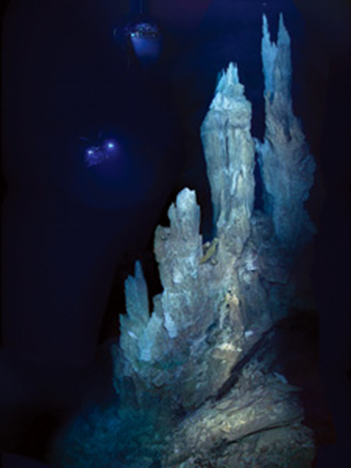
(Note 38) In December 2000, just before the dawn of the 21st century, a survey of the Atlantis pluton located about 15 km west of the Mid-Atlantic Ridge found a completely new type of “hydrothermal vent”. The vent was lined with white pillars as tall as a 20-story building, and was named “The Lost City”. The hydrothermal vent known until then as it was known was “Black Smoker”, which was highly acidic, and its water temperature exceeded 400°C. However, despite such a harsh environment, there were creatures such as tubeworms and crabs over 1 meter long in the vicinity. On the other hand, the newly discovered “Lost City” showed strong alkalinity, with water temperatures up to 90℃, and organic matter such as methane and propane were produced without the intervention of living organisms, and energy-rich hydrogen gas was ejected. In addition, the “Lost City” had its own ecosystem of microorganisms that did not require solar energy and oxygen from photosynthesis.
(Note 39) M.J. Russell and A.J. Hall, Nature 336, 117 (1988), SCIENTIFIC CORRESPONDENCE
The importance of being alkaline
The “alkaline hydrothermal vent” provides the very necessary conditions for the origin of life. The condition is that “a large amount of carbon and energy flow is physically induced to pass through an inorganic catalyst, and organic matter is restricted in a way that stores it in high concentrations.”
Hydrothermal fluids dissolve hydrogen in abundance, while the content of reducing gases such as methane, ammonia, and sulfide is relatively low. Known alkaline hydrothermal vents, including Lost City, have numerous pores. There is no central chimney, but the rock itself looks like a mineralized sponge, and the holes separated by thin walls communicate with each other, forming a huge labyrinth as a whole, ranging in size from micrometers to millimeters. This labyrinth is permeated by alkaline hydrothermal fluids. Since these fluids are not overheated by magma, their temperature is suitable for the synthesis of organic molecules and is also favorable for reducing flow velocity. The fluid does not eject rapidly, but proceeds by gently stroking the surface of the catalyst. These hydrothermal vents can last for thousands of years, and in the case of the Lost City, they can last for more than 100,000 years.
The flow of hot water through these labyrinthine pores has the ability to dramatically concentrate organic molecules (amino acids, fatty acids, nucleotides, etc.) by a process called “thermophoresis” (Note 40) from thousands to millions of times.
- Everything is determined by kinetic energy. At high temperatures, small molecules are active and have a certain degree of freedom. However, when hydrothermal fluids mix and cool, the kinetic energy of organic molecules decreases, limiting the freedom of movement of molecules. As a result, organic molecules are less likely to separate from the pores and concentrate in areas of low kinetic energy.
- The effect of thermophoresis depends on the size of the molecule. Larger molecules, such as nucleotides, are more likely to stay in pores than smaller molecules. On the other hand, small end products such as methane are easily lost from hydrothermal pores.
(Note 40) If fine particles exist where there is a temperature gradient, the momentum received from the gas on the hot side is greater than that received from the gas on the low side. This means that the microparticles are subjected to a force that moves from the hot side to the cold side, and this force is called “thermophoretic power”.
In a word,
The flow of hydrothermal fluid through numerous pores actively concentrates organic matter through dynamic processes that maintain it in a steady state, rather than changing the conditions of a steady state. More conveniently, thermophoresis promotes the interaction between organic matter and proceeds to form dissipative structures within the pores of the hydrothermal vents.
- Such dissipative structures naturally sachet fatty acids and in some cases, may polymerize amino acids and nucleotides to form proteins and RNA.
- Whether such interactions occur depends on the concentration. Whatever process increases the concentration, it promotes chemical interactions between molecules.
This may seem like overkill, but it is actually true. The alkaline hydrothermal vents in the Lost City are now mostly occupied by relatively common bacteria and archaea, making them home to a diverse range of life forms. It also produces low concentrations of organic matter, such as methane and trace amounts of hydrocarbons. However, these hydrothermal holes have not created new life forms at present, nor have they formed an environment rich in organic matter through thermophoresis. The reason is partly because the bacteria that already live there consume the available resources very efficiently. However, there is also a more fundamental reason than that.
Just as today’s black smokers had completely different properties from 4 billion years ago, alkaline hydrothermal vents must have had different chemical properties. That said, some of the characteristics are thought to have been very similar.
For instance,
- The process of serpentinization itself should not have been different anywhere, and it is assumed that the same warm, hydrogen-rich alkaline fluid was rising toward the seafloor.
- However, it is obvious that the chemistry of the ocean at that time was very different from today, and therefore the mineral composition of alkaline hydrothermal vents was also changing. Today, the Lost City is mostly composed of carbonates (especially aragonite (Note 41)), but other similar hydrothermal vents discovered more recently (such as Storitan in northern Iceland) are mainly formed of clay.
(Note 41) The name comes from the fact that it was discovered in the Aragon region of Spain. Japanese name is “Arareishi”. The main component is calcium carbonate (CaCO3), the crystal system is orthorhombic crystals, and it is a carbonate mineral with a specific gravity of 2.9. Also known as “Nagomi Stone”, it is said to have a relaxing effect on balancing the mind and body.
It is not entirely clear what exactly kind of structure was formed in the sea of Hades 4 billion years ago, but it is certain that there were at least two major differences from the current environment, and they had a great influence.
- Oxygen was not present
- CO2 concentrations in the atmosphere and oceans were much higher than they are now
These two differences must have made the ancient alkaline hydrothermal vent a much more effective distribution reactor.
In an environment without oxygen, iron dissolves in the ocean in the form of highly soluble ferrous iron. It is clear that the early oceans were full of molten iron. This is because all of it was later precipitated and became a vast “striped iron ore layer”. Much of this dissolved iron comes from the volcanic hydrothermal vents of the Black Smoker.
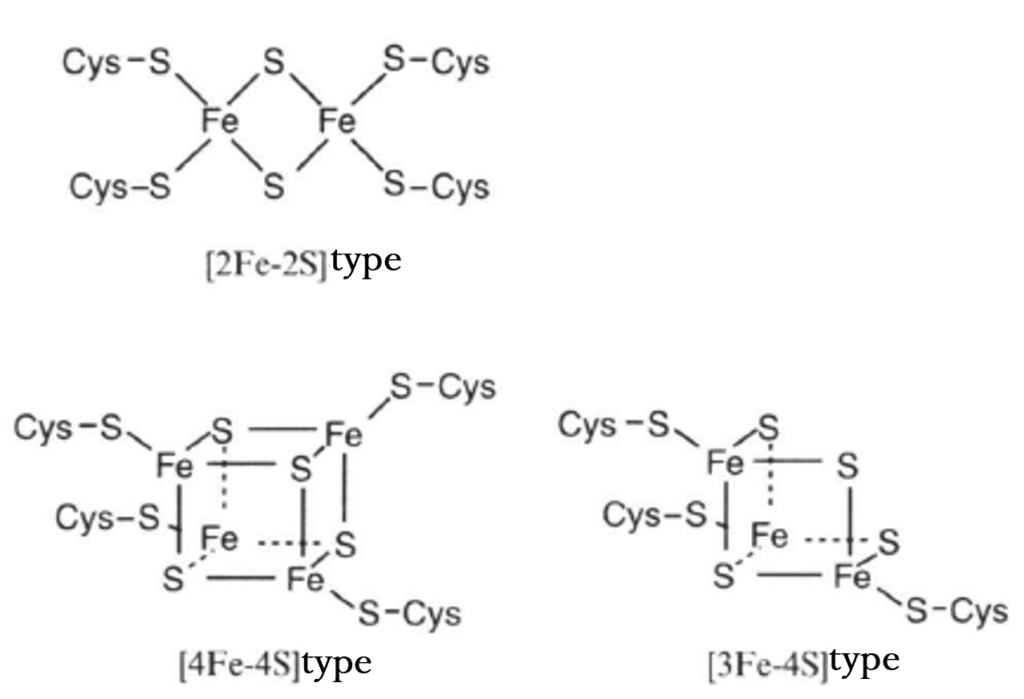
It is also known that iron was precipitated in alkaline hydrothermal vents. In this case, iron was precipitated as iron hydroxide or iron sulfide, and it is likely that it formed catalytic clusters such as proteins such as ferredoxin (Note 42) that are still found in enzymes that promote carbon and energy metabolism.
(Note 42) It is one of the iron-sulfur proteins that contains iron-sulfur clusters (Fe-S clusters) inside, and functions as electron carriers. It is one of the non-heme proteins that do not contain heme (a complex consisting of a ferrous iron atom and porphyrin, usually referring to ferroheme, which is protoheme composed of ferrous iron and protoporphyrin IX), such as rubredoxin and high-potential iron–sulfur proteins, and it is widely distributed from animals to prokaryotes. It is used in major metabolic systems such as photosynthesis, nitrogen fixation, carbonic acid fixation, and redox of hydrogen molecules. In addition, the “Cys” in the figure indicates “cysteine (2-amino-3-sulfanylpropionic acid)”, which is one of the amino acids.
If you proceed with the consideration,
- Since oxygen was not present, it is speculated that the mineral walls of the alkaline hydrothermal vent contained catalytic iron minerals, and metals such as highly reactive nickel and molybdenum (which were dissolved in alkaline fluids) may have been added.
- In this way, the alkaline hydrothermal vents were close to true chemical reactors, with hydrogen-rich fluids flowing through microscopic passages and catalytic walls forming a structure that collects products, concentrates and retains them, while expelling waste.
However, considering what kind of reaction was progressing specifically, we get to the heart of the problem here. That is,
- The high CO2 concentration at that time had a significant impact on the progress of the reaction.
Modern alkaline hydrothermal vents are relatively carbon-poor. This is because most of the available inorganic carbon is deposited as “carbonate (aragonite)” on the walls of the hydrothermal hole. It is believed that during the Hades era 4 billion years ago, CO2 concentrations were much higher than they are today, and it may have been 100 to 1000 times higher.
If not only was there a certain amount of carbon in the primitive hydrothermal vents, but the CO2 concentration was high, the acidity of the seawater would have increased, and carbon would have been difficult to precise as calcium carbonate (in the modern ocean, increased CO2 concentrations lead to oxidation and threaten coral reefs). The pH of modern oceans is approximately 8, and it is slightly alkaline. On the other hand, the sea of the Hades period may have been neutral or slightly acidic, and the pH value may have been 5~7 (Note 43).
(Note 43) Carbon dioxide actively moves back and forth between the atmosphere and the ocean through the sea surface. Carbon dioxide (CO2) dissolved in the ocean becomes carbonic acid (H2CO3) (CO2 + H2O ⇄ H2CO3) (Equation (1)). Carbonic acid (H₂CO₃) in the ocean maintains a state of chemical equilibrium with bicarbonate ions (HCO₃⁻) and carbonate ions (CO₃²⁻) through the reactions represented as H₂CO₃ ⇄ H⁺ + HCO₃⁻ (Equation (2)) and H⁺ + HCO₃⁻ ⇄ 2H⁺ + CO₃²⁻ (Equation (3)).
As the amount of carbon dioxide in the atmosphere increases, so does the carbon dioxide dissolved in seawater, and the reaction between Equation (1) and Equation (2) moves to the right to produce hydrogen ions (H+). Most of the generated H+ is consumed by the reaction in Equation (3) moving to the left, but some H+ remains intact and CO32- decreases. As a result, the pH decreases due to the increase in H+, and the ocean becomes acidic.
[Note: Ministry of Land, Infrastructure, Transport and Tourism Meteorological Agency, Knowledge and Explanation, Knowledge of Ocean Acidification, Ocean Acidification, https://www.data.jma.go.jp/gmd/kaiyou/db/mar_env/knowledge/oa/acidification.html]
The following four requirements are important.
- High CO2 concentration
- Slightly acidic sea
- Alkaline fluids
- Thin‐wall structure of a hot water hole with FeS.
The combination of these elements promotes chemical reactions that would not normally occur easily.
By the way, there are two main principles that govern chemical reactions. They are “thermodynamics” and “reaction kinetics”. Thermodynamics reveals which states of matter are the most stable and which molecules are formed if there are no time constraints. Reaction kinetics are related to the rate of reaction and determine which products are formed in a limited time.
- Thermodynamically, CO2 reacts with hydrogen (H2) to produce methane (CH4).
- This is an exothermic reaction that releases heat, and under certain conditions, the entropy of the environment increases, making the reaction advantageous. With the right conditions, this reaction will occur naturally.
- The necessary conditions are, for example, moderate temperature and the absence of oxygen. If the temperature is too high, CO2 will be more stable than methane. In addition, in the presence of oxygen, oxygen reacts preferentially with hydrogen to produce water.
4 billion years ago, the moderate temperature and absence of oxygen in alkaline hydrothermal vents promoted the reaction between CO2 and H2, which was favorable for methane production.
Even today, although some oxygen is present, the Lost City still produces small amounts of methane. Geochemists Jean Amend and Tom McCallum went further and estimated that the production of organic matter from H2 and CO2 would be thermodynamically advantageous in the absence of oxygen under alkaline hydrothermal vent conditions. Under such conditions, i.e., at 25~125℃, the production of any cellular biomass (amino acids, fatty acids, carbohydrates, nucleotides, etc.) from H2 and CO2 is practically “ergonic” (generating energy). Therefore, under such conditions, organic matter will be naturally produced from H2 and CO2. The production of cells releases energy and increases overall entropy.
However,
- H₂ and CO₂ do not readily react. There exists a kinetic barrier to the reaction.
- In other words, it should react naturally thermodynamically, but it is not immediately caused by some other barrier.
H2 and CO2 have little activity each. In order to force them to react, you need to put in energy, something that causes a reaction. When the element is added, a reaction begins, first producing a partially reduced compound. CO2 can only receive electrons in pairs. When two electrons are added, formate ions (HCOO–) are formed. When two more are added, formaldehyde (CH2O) is formed, and then two more become methanol (CH3OH), and finally when the two are added, it is completely reduced to methane (CH4). Of course, life is not formed only from methane, but in the redox state it is composed of partially reduced carbon, which is roughly equivalent to a mixture of formaldehyde and methanol.
Consequently,
When considering the birth of life from CO2 and H2, we need to recognize two major barriers to reaction kinetics.
- The first barrier is something that “must be overcome” to reach formaldehyde and methanol.
- On the other hand, the second barrier is that it “must not be overcome”. This is because even if H2 and CO2 are induced into a warm environment, if the reaction progresses to methane at once, everything will diffuse as a gas and the reaction will end there.
- In order to generate cells, specific methods are needed to lower the first barrier and increase the second barrier.
This is the crux of the problem. “Methanogens” obtain all the energy and carbon required for their growth from the reaction between H₂ and CO₂, whereas we have not yet succeeded in efficiently driving this fundamental reaction.
What makes the challenge even greater is the question: “How was it formed before any biological cell ever appeared?”
However, one possible solution is possible.
Proton Power
Redox reactions involve the transfer of electrons from the donor (in this case, H2) to the acceptor (CO2). And the tendency of molecules to carry out their own electrons is quantified by the concept of “reduction potential”. In other words, the “reduction potential” is
- Molecules that tend to be deprived of electrons are assigned negative values.
- Conversely, atoms and molecules that seek electrons and draw them from almost anywhere are assigned positive values. This is easy to understand if you think of it as a force that attracts negatively charged electrons. Oxygen tends to deprive electrons (oxidizes the opponent who takes electrons) and has a strong positive reduction potential.
- All these values are actually given as relative values with respect to the reference called the “Standard Hydrogen Electrode”.
In a word,
- Molecules with negative reduction potentials tend to strip off their own electrons and transfer them to molecules with more positive reduction potentials, but not the other way around.
Let’s consider the problem of H2 and CO2 here. At a neutral pH (7.0), the reduction potential of H2 is theoretically minus 414mV. When H2 releases two electrons, two protons (2H+) remain. The reduction potential of hydrogen reflects this dynamic equilibrium, that is, the balance between the tendency of H₂ to lose electrons and become H⁺, and the tendency of 2H⁺ to gain electrons and become H₂. If CO2 acquires this electron, it will become formate ions. However, the reduction potential of the formic acid ion is minus 430mV. Therefore, there is a strong tendency to pass electrons to H+, resulting in CO2 and H2. The reduction potential of formaldehyde is even lower, about minus 580mV. Therefore, it does not try to retain electrons continuously, but tends to pass them to protons to produce H2. Consequently,
- At pH7, there is no possibility that H₂ can reduce CO₂.
But of course, some bacteria and archaea live by this very reaction, so there is always a possibility.
Then, by what mechanism is this achieved?
The reducing potential of a molecule usually depends on pH, or proton concentration (hydrogen ion concentration). The reason is simple: when electrons move, the negative charge moves, so if the reduced molecule (the molecule that receives the electron) is capable of receiving protons as well, then its product will be more stable. This is because the positive charge of the proton is balanced by the negative charge of the electron.
- The more protons available to balance the charge, the smoother the electron transfer will proceed. As a result, the reduction potential also shifts positively, that is, the tendency to receive pairs of electrons intensifies. In fact, the reduction potential increases by about 59mV for every 1 drop in pH (which becomes more acidic).
The higher the acidity of the solution, the more readily electrons are transferred to CO₂, leading to the formation of formate ions or formaldehyde. Unfortunately, the exact same phenomenon occurs with hydrogen. As the acidity of the solution increases, electrons move to protons, making it easier to produce H2 gas. Consequently,
- Simply changing the pH has no effect. It remains impossible to reduce CO2 with H2.
But here, let us consider a “proton gradient across a membrane.” Suppose that the proton concentration – that is, the acidity – differs on the two sides of the membrane. This kind of gradient is also observed in alkaline hydrothermal holes.
The alkaline thermal fluid proceeds slowly, passing through a labyrinth of pores. Similarly, slightly acidic seawater proceeds in the same way. Among them, there are places where two fluids flow in parallel,
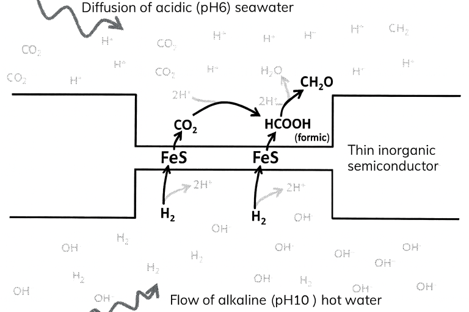
- Acidic seawater saturated with CO2 is separated by an alkaline fluid rich in H2 and a thin wall of inorganic materials containing semiconductors, called FeS minerals.
- The reduction potential of H2 decreases under alkaline conditions. H2 wants to deprive itself of a large amount of electrons, so the H+ produced in this way combines with OH– in an alkaline fluidto form stable water.
- At pH 10, the reduction potential of H2 is minus 584 mV, making it highly reducible. On the other hand, at pH 6, the reduction potential of formate ions (HCOO–) is minus 370 mV, and the reduction potential of formaldehyde (CH2O) is minus 520 mV. In other words, if such a difference in pH exists, H2 relatively easily reduces CO2 to form formaldehyde.
The question here is how electrons physically move from H2 to CO2.
The answer lies in the structure of hydrothermal vents, which have countless pores, and the FeS minerals contained in the thin inorganic walls have the ability to conduct electrons. Its conductive capacity is not as good as that of copper wire, but it is possible to move electrons. Therefore, theoretically, the physical structure of alkaline
hydrothermal vents promotes the reduction of CO2 by H2 and produces organic matter (Fig. 50).
This phenomenon is verifiable, and in fact, evolutionary biochemist Nick Lane and his colleagues have assembled a small benchtop reactor to generate this reaction, synthesizing formic acid ions, formaldehyde, and simple organic matter (such as ribose and deoxyribose) (Note 44).
(Note 44) Barry Herschy, Alexandra Whicher, Eloi Camprubi, Cameron Watson, Lewis Dartnell, John Ward, Julian R. G. Evans, and Nick Lane, J. Mol. Evol. 79 (2014) 213–227.
We will discuss later what types of molecules are formed and how they are formed, but for the time being, assuming that they can be formed, these organic matter will be concentrated thousands of times the initial concentration by “thermophoresis”, as mentioned above, and the formation of sachets and possibly proteins and other polymers will also be promoted. The prediction of organic matter concentrating and polymerizing can also be directly verified in the laboratory, and the early stages of experiments by Nick Lane et al. have reported that the initial stages are promising. The fluorescent dye fluorescein, which is similar in size to nucleotides, was concentrated more than 5,000 times in a distributed reactor prepared, and quinine was further enriched.
So, what do these facts about the reduction potential indicate?
The fact that “the reduction potential of hydrogen drops with pH” (i.e., when the pH rises and becomes alkaline, the reduction potential becomes negative and its absolute value increases) has important implications for the conditions for life to be born in this universe. That is,
- Under alkaline hydrothermal conditions, H2 is expected to react with CO2 to produce organic molecules, but under most other conditions, H2 is not expected to react with CO2 to produce organic molecules.
As a condition for the possible origin of life, virtually, all other environments are excluded.
- Based on the principles of thermodynamics, it has been revealed that in order to create a cell from scratch, highly reactive carbon and chemical energy must flow continuously under a primitive catalyst in a constrained circulation reaction system.
- And only the hydrothermal vent meets the necessary conditions, especially the “alkaline hydrothermal vent” meets all the necessary conditions.
- The wonderful feature of alkaline hydrothermal vents is that although alkaline hydrothermal water is rich in hydrogen gas, hydrogen does not react with CO2 to form organic molecules as it is, but the physical structure of alkaline hydrothermal vents – a natural proton gradient through thin semiconductor walls – promotes the formation of organic matter and, in addition, not only that, concentrates it.
The reduction potential narrows and expands the conditions under which life should be born, and in the course of examining this, we came to the conclusion that the conditions that most promote the birth of life are in the “alkaline hydrothermal vent”.
The existence of “alkaline hydrothermal vents” is highly regarded as a possibility, the formation of which is due to the chemical reaction of water and the mineral “olivine”. In addition
- “Olivine” is a particularly abundant mineral in the universe, making up a large part of the disks of cosmic dust and protostar systems, which are the material for forming planets, including Earth.
- The “serpentinization” of olivine (Note 37) also occurs in outer space, hydrating cosmic dust (hydration: the phenomenon in which water molecules are added to a given chemical species). According to one hypothesis, when our planet was formed, this water was released due to rising temperature and pressure, thereby giving rise to the oceans.
- Olivine and water are two substances that are particularly abundant in the universe.
- CO2 is also equally abundant and is present in the atmospheres of most planets in the solar system, as well as even in the atmospheres of exoplanets in other star systems.
- These “rocks, water, and CO2” are on the list of elements necessary for life and are present in almost all moist rocky planets.
- By the laws of chemistry and geology, these form warm alkaline hydrothermal vents with a proton gradient between thin walls of catalytic pores.
- That chemical reaction may not necessarily support the birth of life, but it is an experiment that continues today on the 40 billion terrestrial planets in the Milky Way galaxy alone.
Figures and Tables
Fig. 38 Miller–Urey experiment
The free encyclopedia “Wikipedia” ” Miller–Urey experiment”
(https://en.wikipedia.org/wiki/Miller%E2%80%93Urey_experiment)
Fig.39 Structure of nucleotides
DNA & RNA: Comparison, Differences between DNA and RNA, Nucleic Acid Structure & Function (DP IB Biology): Revision Note, Author Marlene, Last updated 16 December 2024, SaveMyExams
(https://www.savemyexams.com/dp/biology/ib/23/hl/revision-notes/unity-and-diversity/nucleic-acids/nucleic-acid-structure-and-function/)
Fig.40 Hydrolysis reaction of ATP
20.1 ATP—the Universal Energy Currency, The Basics of General, Organic, and Biological Chemistry, Saylor Academy
(https://saylordotorg.github.io/text_the-basics-of-general-organic-and-biological-chemistry/s23-01-atp-the-universal-energy-curre.html)
Fig.41 Chemical structure of acetyl phosphate
Health Terminology WEB Encyclopedia Acetylphosphate (acetylphosphate)
(https://health.joyplot.com/HealthWordsWiki/?%E3%82%A2%E3%82%BB%E3%83%81%E3%83%AB%E3%83%AA%E3%83%B3%E9%85%B8)
Fig.42 Forms of phospholipids in colloids
The free encyclopedia “Wikipedia” “Lipid bilayer”
(https://ja.wikipedia.org/wiki/%E8%84%82%E8%B3%AA%E4%BA%8C%E9%87%8D%E5%B1%A4)
Fig. 43 Chemical structure of RNA
English version of the figure from the following reference, redrawn by ChatGPT
The Japan Biophysical Society, Biophysics and Nucleic Acid Structure
(https://www.biophys.jp/highschool/B-03.html)
Fig.44 Iron-sulfur cluster
Journal of Geography(Chigaku Zasshi)129(6)853870,2020
(https://www.jstage.jst.go.jp/article/jgeography/129/6/129_129.853/_pdf)
Fig. 45 Divergent boundary of the ocean (An example of a mid-ocean ridge)
Geology and Oceanography Textbooks, Library, MiraCosta College
(https://gotbooks.miracosta.edu/oceans/chapter4.html)
Fig.46 Serpentine
HAGS, Renovation Glossary, What is “Jamongan”?
(https://hags-ec.com/column/503-special-glossary/)
Fig.47 Changes in olivine in the depths of the earth
Thomas Sharp, Science 346, 1057 (2014).
(https://www.science.org/doi/10.1126/science.1261887)
Figure 48 Lost City
Alexander S. Bradley“Expanding the Limits of Life”,SCIENTIFIC AMERICAN, December 2009
Fig.49 3 types of redox centers of ferredoxin
Encyclopedia of Photosynthesis, Ferredoxin
(https://photosyn.jp/pwiki/index.php?%E3%83%95%E3%82%A7%E3%83%AC%E3%83%89%E3%82%AD%E3%82%B7%E3%83%B3#:~:text=%E3%83%95%E3%82%A7%E3%83%AC%E3%83%89%E3%82%AD%E3%82%B7%E3%83%B3%5Bferredoxin%5D%20%E2%80%A0,%E7%A1%AB%E9%BB%84%E3%82%AF%E3%83%A9%E3%82%B9%E3%82%BF%E3%83%BC%E3%81%8C%E5%AD%98%E5%9C%A8%E3%81%99%E3%82%8B%EF%BC%8E)
Fig.50 Model of organic matter formation in alkaline hydrothermal vents
English version of the figure from the following reference, redrawn by ChatGPT
“Life, Energy, Evolution THE VITAL QUESTION Why Is Life the Way It Is?”
Written by Nick Lane, translated by Takao Saito, Misuzu Shobo Co., Ltd., September 13, 2016, 1st printing, March 9, 2018, 10th printing
Fig. 14 “Organic matter from H2 and CO2.B”, p. 135